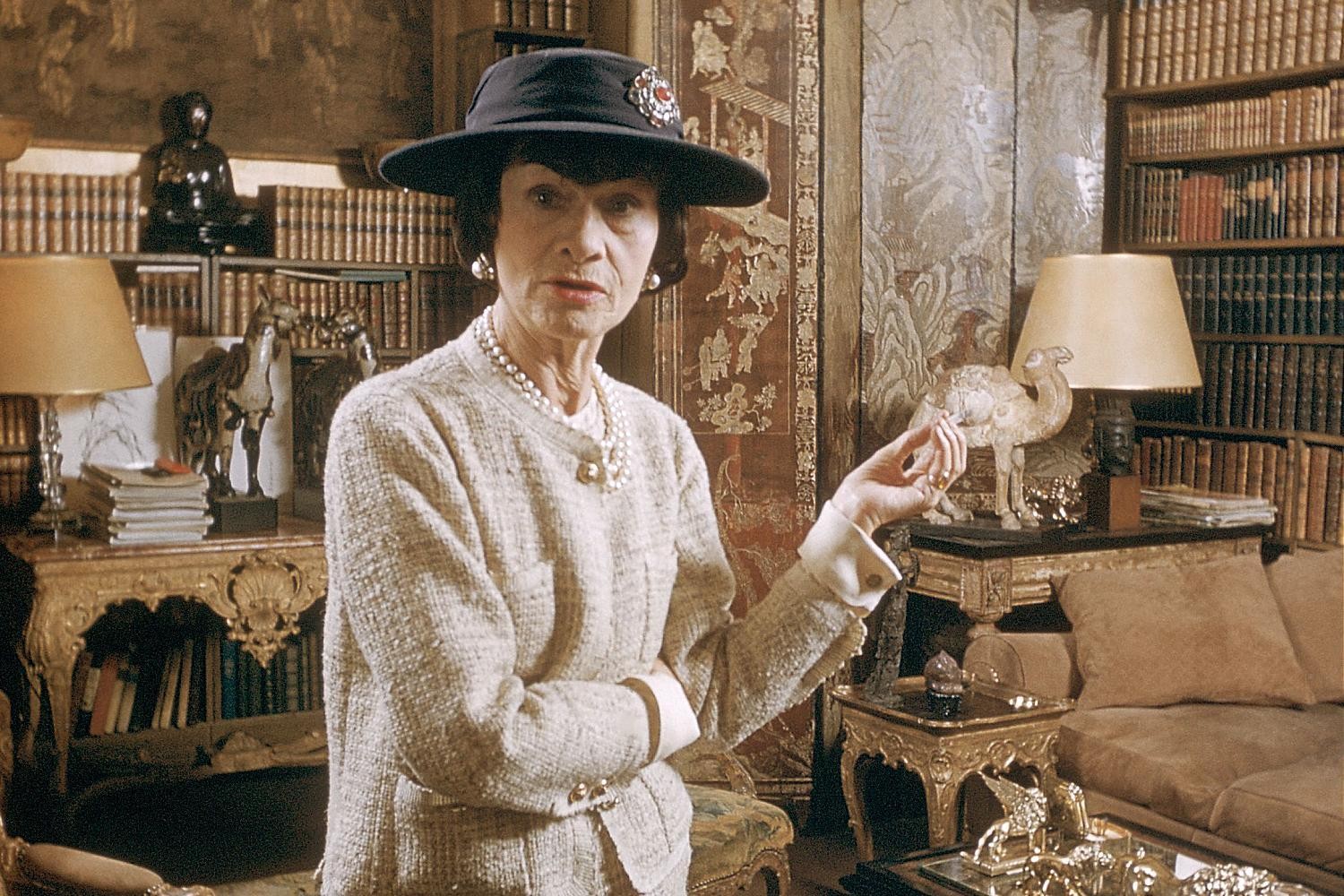
It’s fifty years since Coco Chanel passed away, on 10 January 1971, at the age of 87 years old. As the original fashion rebel of the early twentieth century, Gabrielle ‘Coco’ Chanel’s individual attitude shaped her ground-breaking designs, and made an enduring impact on how women dressed. Such was the power of her life, that even after her death, the fashion language that she pioneered is still very relevant.
Here are ten reasons why her timeless style has shaped the way we dress today.
1 – She made women’s clothing comfortable
When Chanel first emerged as an ambitious young seamstress in the Belle 'Epoque era, her comfortable and loose designs proved to be revolutionary. By creating a simple silhouette, and taking inspiration from male wardrobes, she encouraged women to throw away their corsets with her loose fitting, slouchy blouses with pockets and low waistlines. She insisted that ‘luxury must be comfortable, otherwise it is not luxury,’ and her use of jersey, a fabric traditionally used for underwear, was completely novel. It was soft and fluid, and provided a sense of freedom that suited a new era for women after the First World War.
2 – She gave women pockets
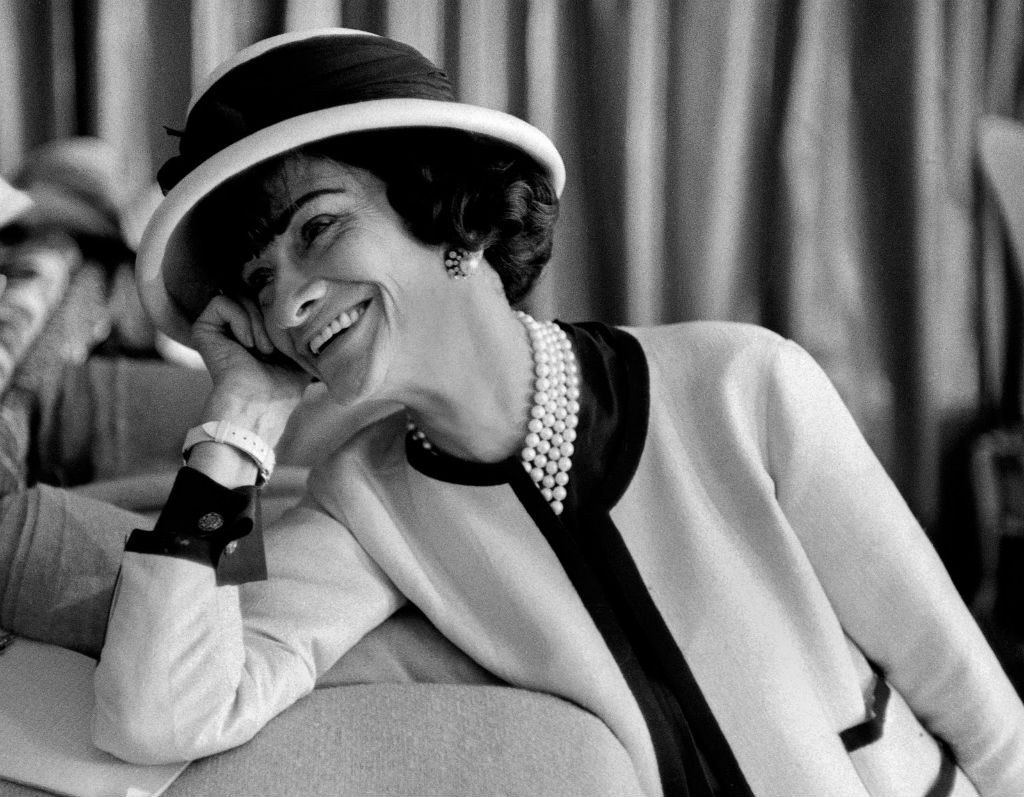
For centuries, pockets were notably absent in women’s clothing – but Coco Chanel borrowed the deep pockets from working men’s clothing, and used it for her soft and comfortable jackets. She spoke of her desire to make practical clothing for women and to enable them to actively move around, and pockets allowed them to free up their hands. When Chanel modelled her own clothes, she often chose to pose casually with her hands thrust into her pockets – an act of quiet rebellion.

3 – She defined the look of the flapper
In bohemian Paris in the twenties, Chanel’s loose short dresses, pleated skirts and cardigans defined the look of ‘la garconne’, also known as the ‘flapper’. Chanel’s designs came to represent this free-thinking woman who cropped her hair, shimmered in knee-length, skin-exposing gowns and spritzed herself with the new scent of that era, Chanel No5.

4 – She invented the LBD
In 1926 Chanel officially launched her Little Black Dress, an item that would become the easy wardrobe essential for women, from Audrey Hepburn to Anita Ekberg, and would be known simply as the LBD. Black had traditionally been for mourning, but Chanel promoted it as the ideal shade to transition from day tonight. The simplicity of the little black dress acted as a canvas for strings of pearls, or contrasting white collars and cuffs. ‘Before me no one would have dared to dress in black,’ she declared.

5 – She introduced the striped top
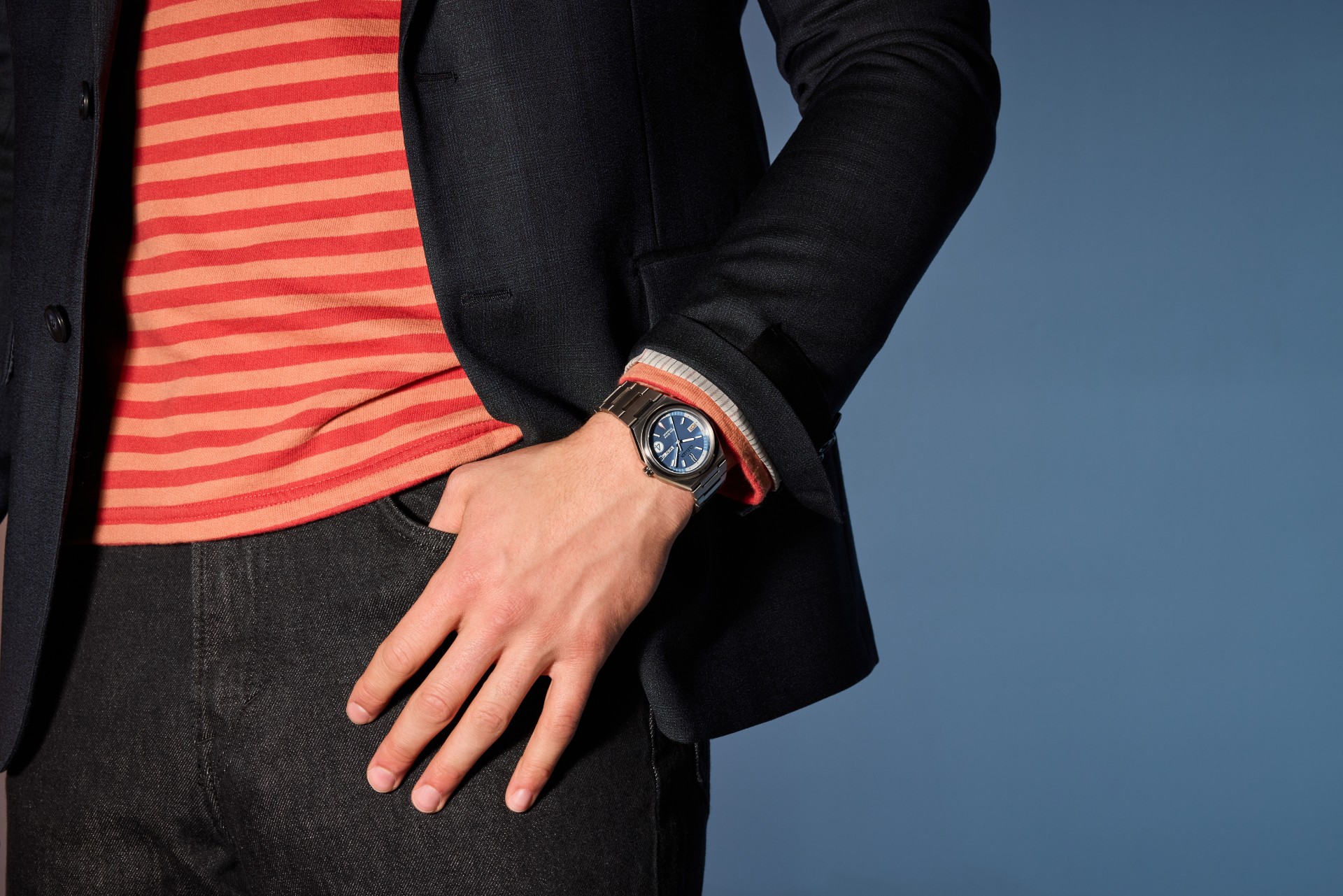
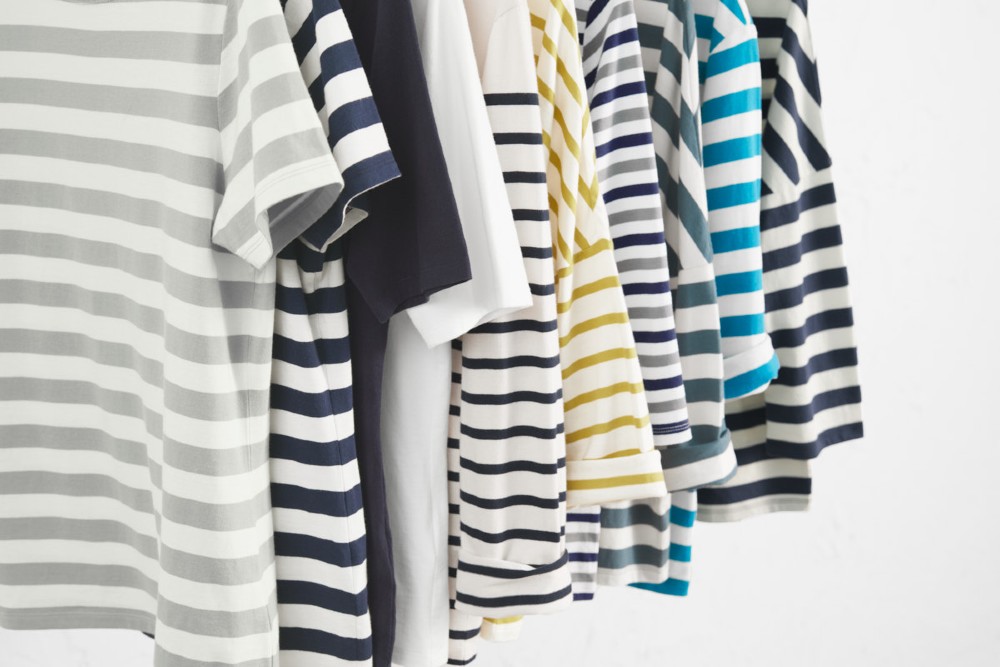
Chanel was an early champion of stripes, first featuring striped sweaters in her collections in 1915, and teaming striped jersey tops with navy sailor trousers when in the South of France. Chanel’s stripes referenced the outfits of Breton fisherman and French sailors, whom she had observed during her time on the Normandy coast. In the fifties and sixties, gamine stars like Audrey Hepburn and Jean Seberg further evoked the spirit of Chanel in their own beatnik stripes.
6 – She was one of the first women to bob her hair
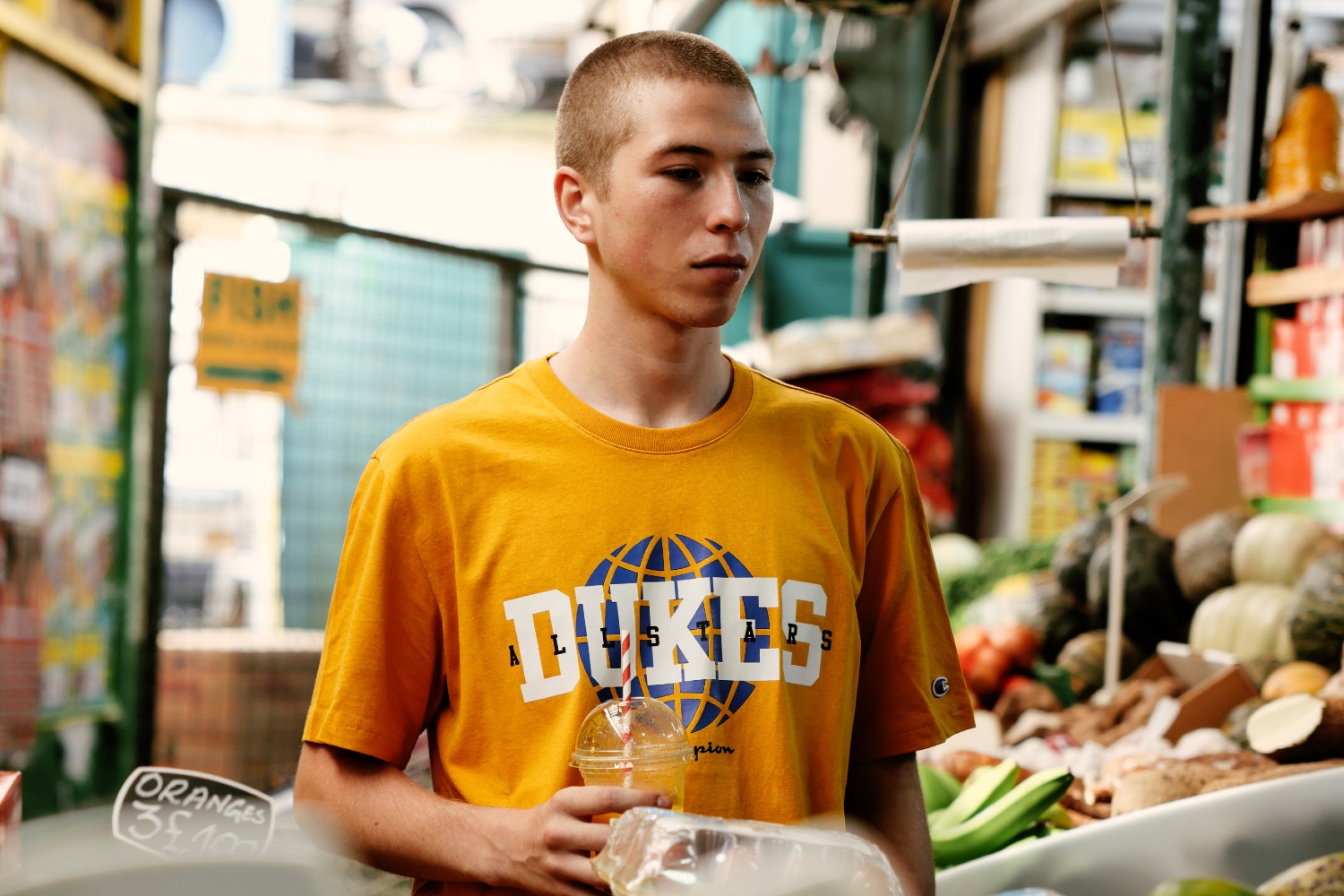
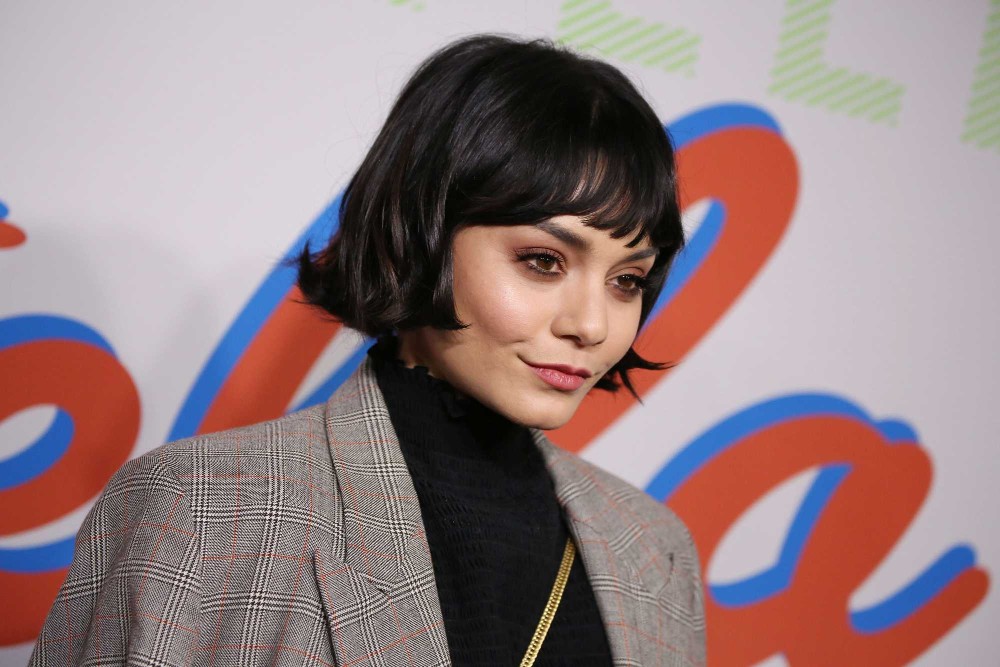
‘A woman who cuts her hair is about to change her life,’ Chanel once said, and in 1917 she was one of the first women in Paris to cut her hair boyishly short. Paris was a city for bohemians, of new cutting-edge art movements such as Cubism, futurism and Art Deco, and Chanel was at the forefront of the zeitgeist. She used her bobbed hair and her unique designs to create a style that captured her own essence – one of freedom.
7 – She made tanned skin chic
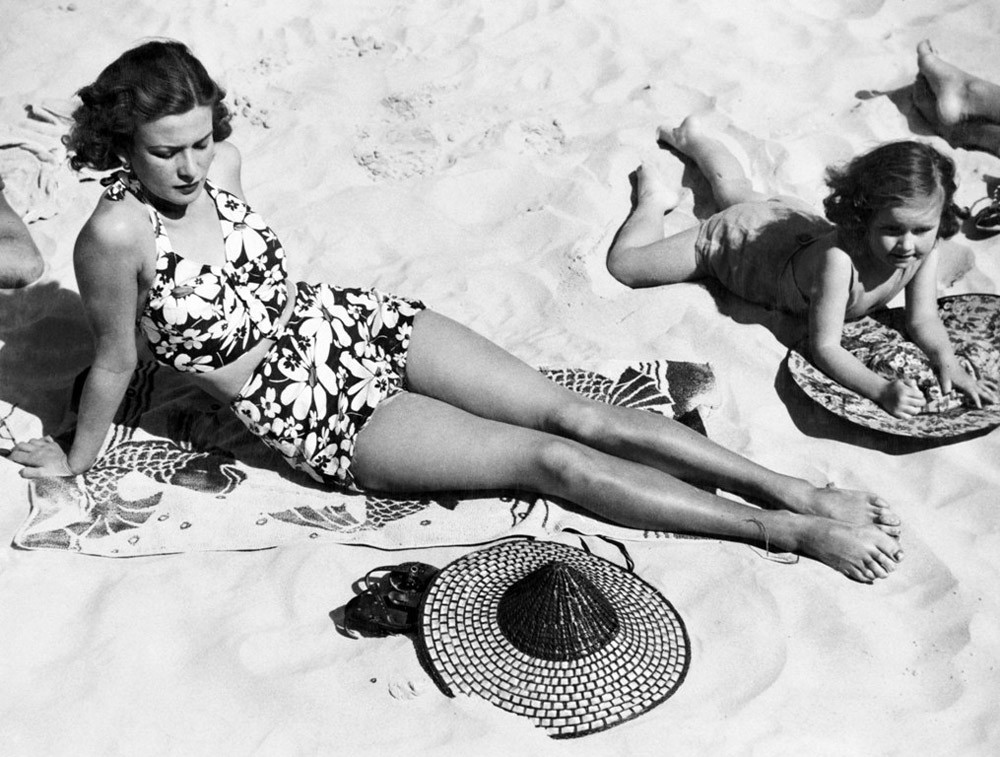
At a time when suntans were a marker of the poor as it signified working outdoors, Chanel chose to ignore the rules and soak up the sun. For Chanel a tan meant good health and the luxury of time, of cruising the Riviera on board a luxury yacht. She remarked after observing pale American girls on the beach at the Venice Lido: ‘How much more beautiful these young women would be . . . how brightly their jewellery would glitter if worn on a skin bronzed by the sun.’
8 – She popularised trousers for women
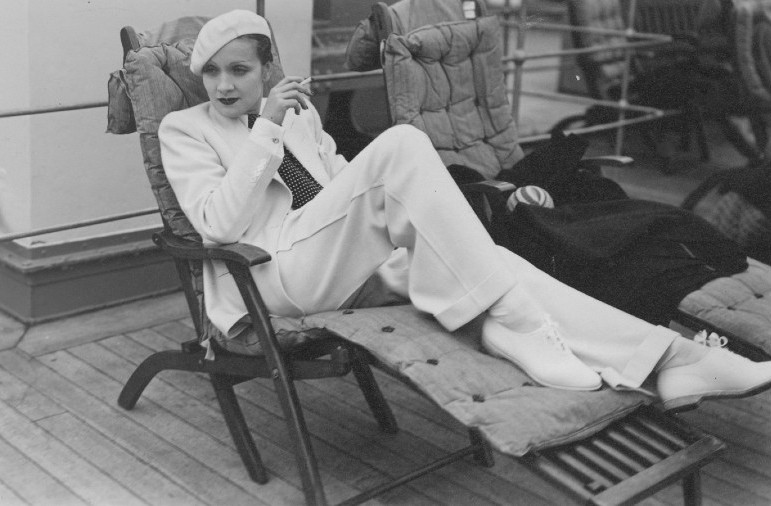
Chanel, like style icons Marlene Dietrich and Katharine Hepburn, was a trailblazer in championing trousers for women in the twenties and thirties. At a time when they were considered quite scandalous for women to wear, Chanel chose to team her wide-legged trousers with sailor tops, or to wear gleaming white satin pyjamas in her salon or on the beach.
9 – The Tweed jacket
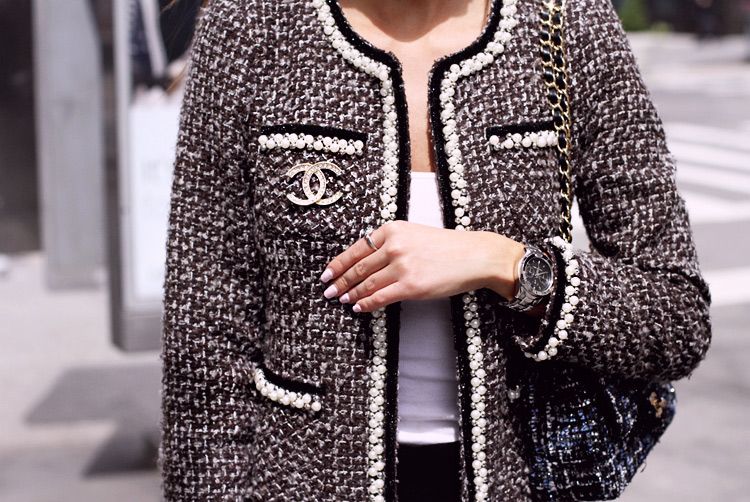
When Chanel launched her post-war comeback collection in 1954, her little tweed jacket immediately became the uniform for the chic, modern woman. Each jacket featured a silk lining, and embossed gilt buttons, which often featured her favoured symbols of the lion, to represent her Leo star sign, her signature flower, the camellia, and the interlocking Cs of the Coco Chanel logo. The Chanel jacket still endures, and over the years it has been reinvented by the House of Chanel in a range of candy-colours, or worn with the tiniest of skirts to add a modern twist.
10 – She created a best-selling scent
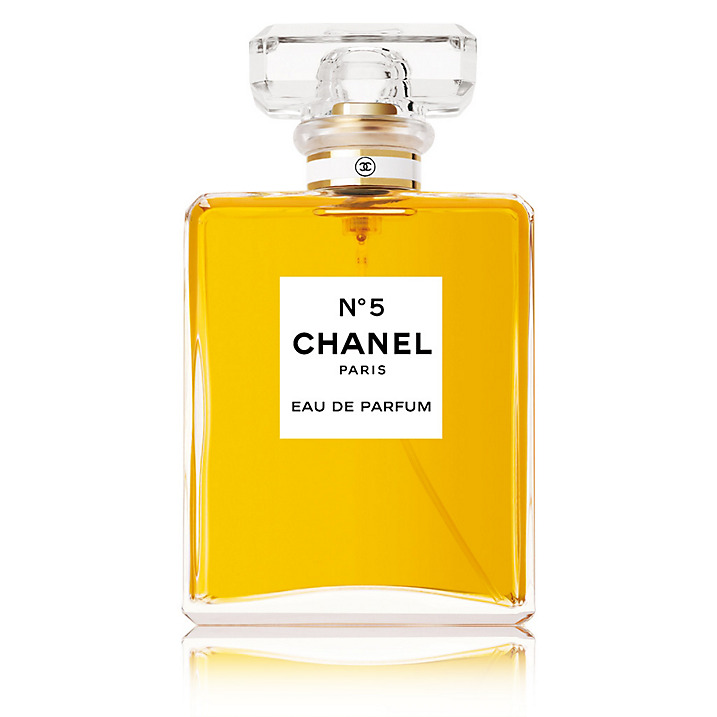
With a name that came from the number that Chanel held sacred, Chanel No.5 has been the world’s best-selling perfume since it was first launched in 1921. She was one of the first designers to introduce her own scent, as she believed that the essential finishing touch to any gown was perfume. ‘A woman who doesn’t wear perfume has no future,’ she once declared.
Caroline Young is a writer from Edinburgh, and the author of Living with Coco Chanel, which explores how the places in Chanel’s life shaped her designs. Her new book, What Coco Chanel Can Teach You About Fashion, by Frances Lincoln, will be released on 3rd August.