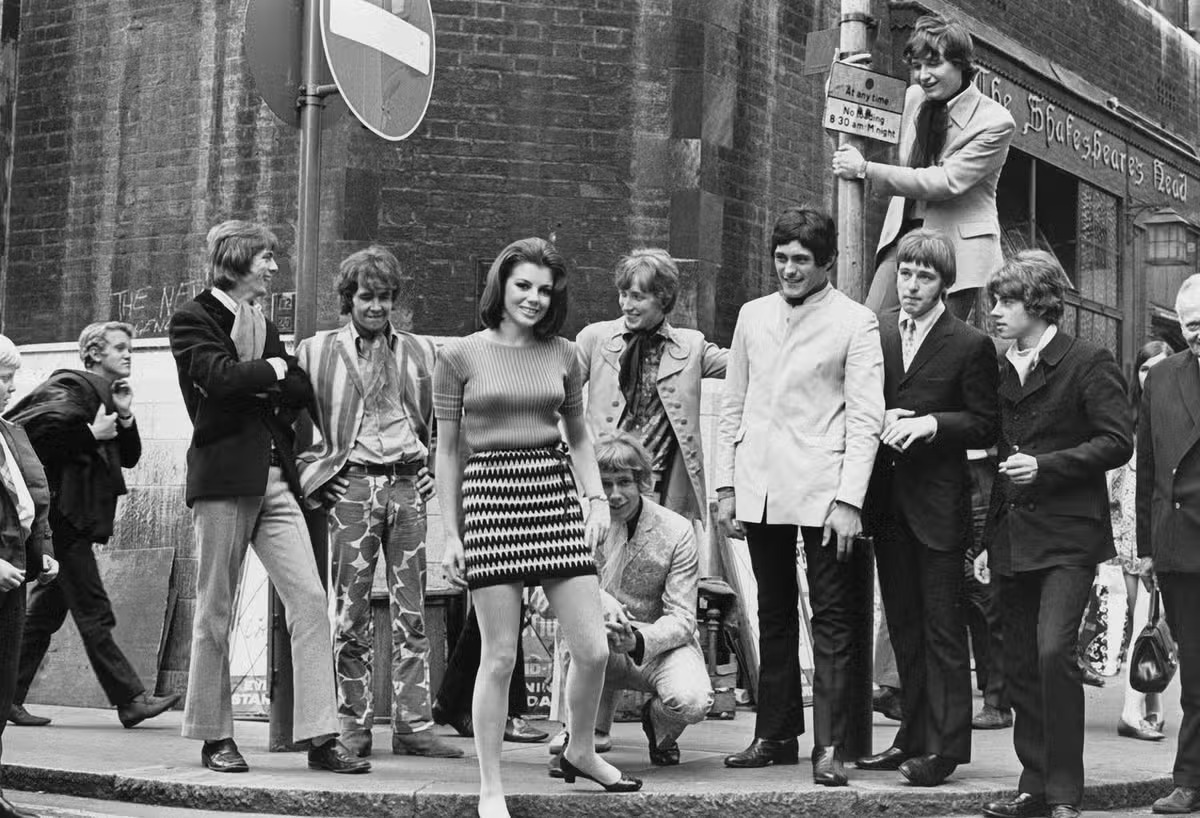
Mod fashion, short for modernist fashion, is a style that emerged in Britain in the late 1950s and early 1960s.
The Mod subculture was characterised by a focus on fashion, music, and youth culture. The Mod look was sharp, clean, and tailored, with an emphasis on slim-fitting suits, button-down shirts, and narrow ties.
Origins of Mod Fashion
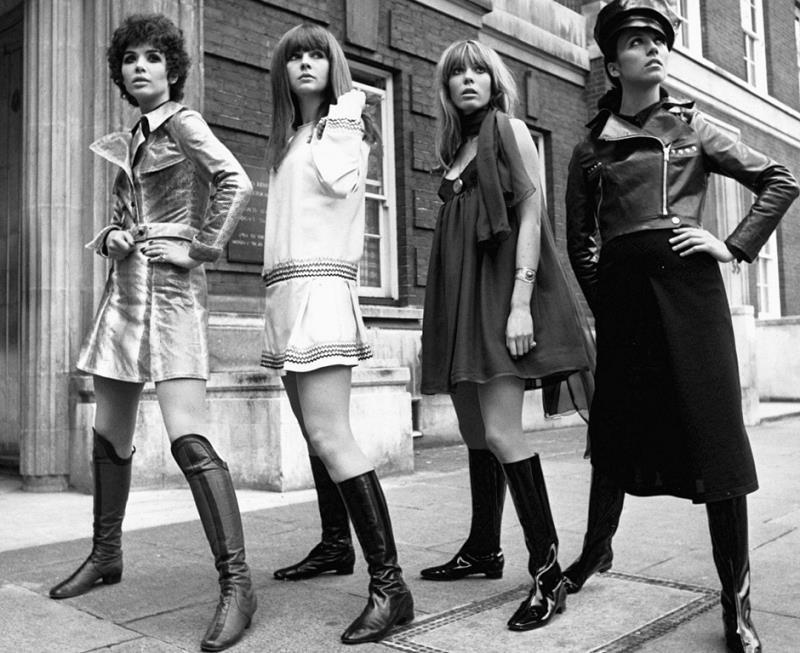
Mod fashion emerged in the post-war period of the late 1950s and early 1960s in London, England, when Britain was experiencing a period of economic growth and social change. Young people were looking for new ways to express themselves, finding inspiration in the emerging youth cultures of America, particularly the beatniks and jazz musicians of the 1950s.
The term “Mod” comes from the word “modernist”, used to describe young people interested in new and innovative styles of fashion, music, and culture. Mod fashion was a response to the conservative and traditional clothing styles of the time. The Mods were young people who wanted to break away from the norms and express themselves through their clothing.
Key Elements of Mod Fashion
Clothing
Mod fashion is characterised by a clean, sharp, and tailored look. Clothing is often slim-fitting and made from high-quality materials. Key clothing elements of Mod fashion include:
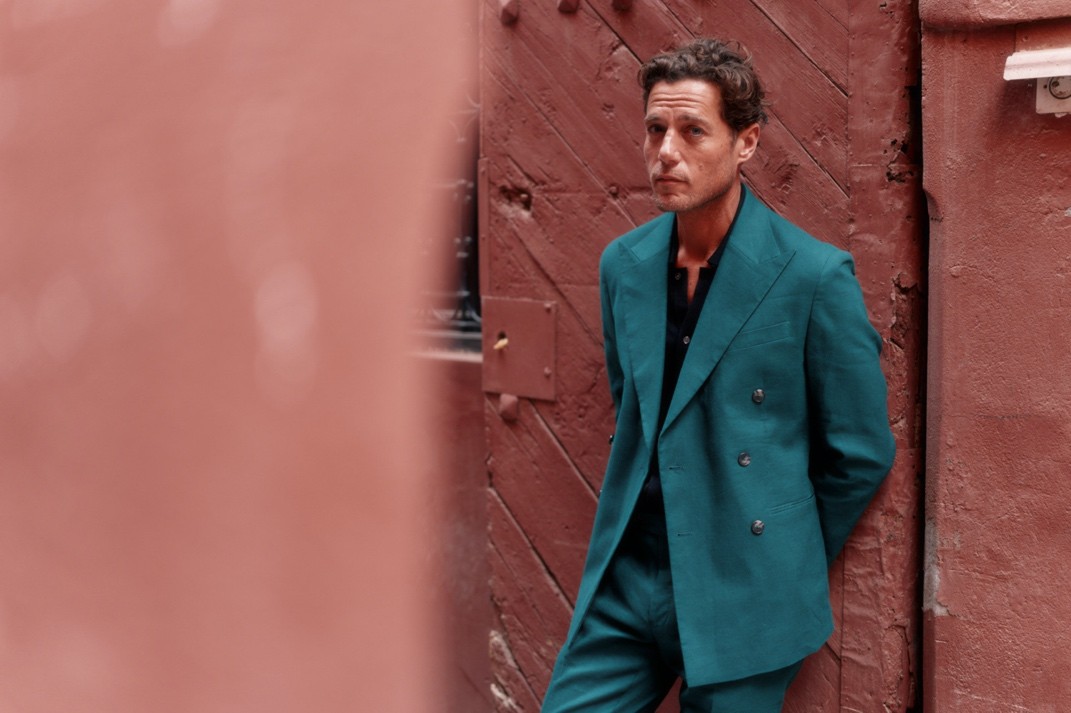
- Suits: Mod suits are slim-fitting, with narrow lapels and a shorter jacket length. They are often made from wool or other high-quality fabrics and come in a range of colours and patterns, including checks, stripes, and solids.
- Shirts: Mod shirts are typically slim-fitting and made from cotton or other high-quality materials. They often feature bold patterns and colours, such as polka dots, stripes, or checks.
- Trousers: Mod trousers are slim-fitting and often feature a high waist and narrow leg. They are often made from wool or other high-quality materials and come in a range of colours and patterns.
Footwear
Footwear is an important element of mod fashion. Shoes are often made from high-quality leather and feature a clean, simple design. Key footwear elements of mod fashion include:
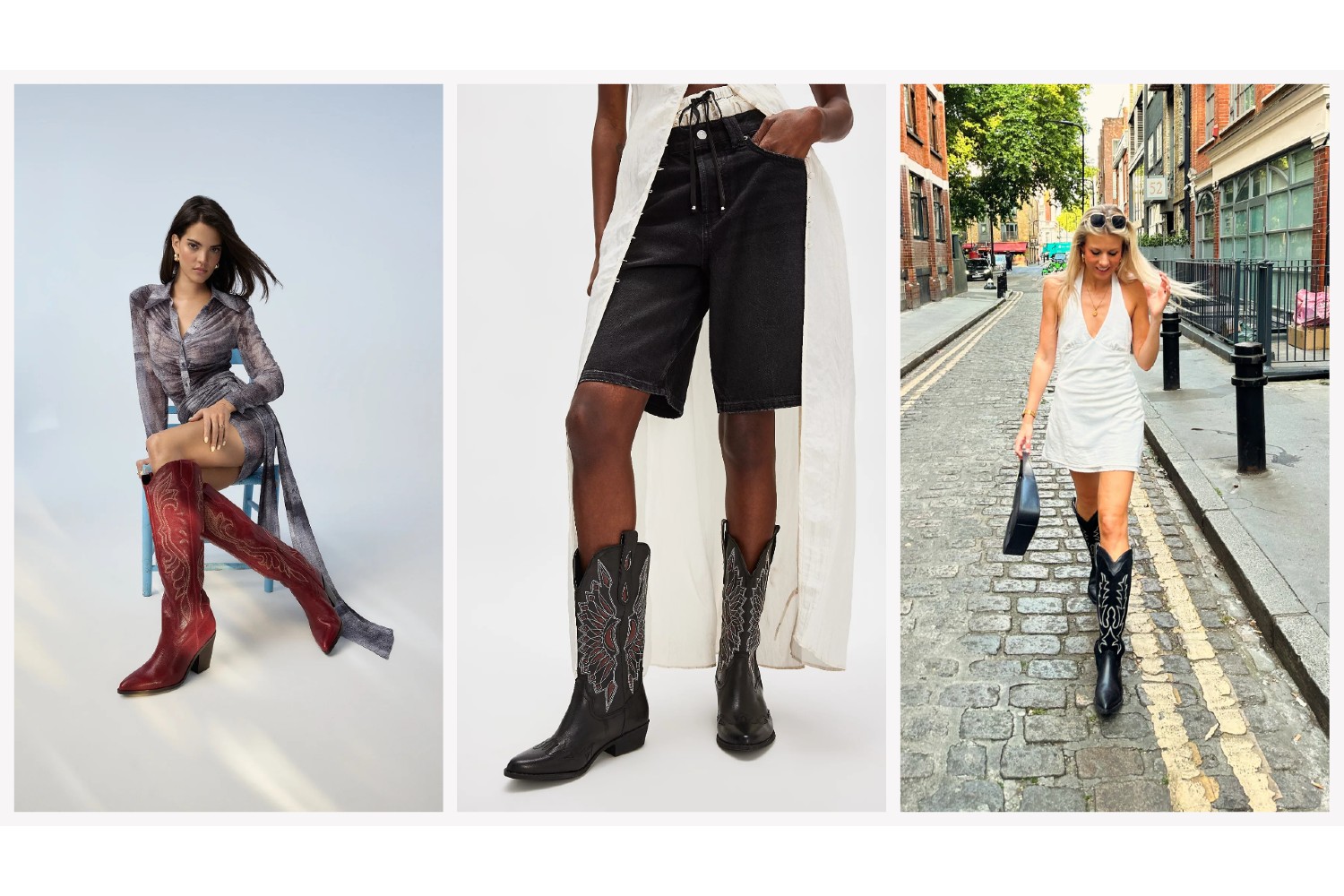
- Chelsea Boots: Chelsea boots are ankle-high boots with an elastic side panel. They are often made from leather and come in a range of colours, including black, brown, and burgundy.
- Loafers: Mod loafers are slip-on shoes with a low heel. They are often made from leather and come in a range of colours, including black, brown, and burgundy.
Accessories
Accessories are an important part of mod fashion. They are often used to add a pop of colour or pattern to an outfit. Key accessory elements of Mod fashion include:
- Ties: Mod ties are often slim and made from silk or other high-quality materials. They often feature bold patterns and colours, such as polka dots, stripes, or paisley.
- Scarves: Mod scarves are often made from silk or other high-quality materials and come in a range of colours and patterns.
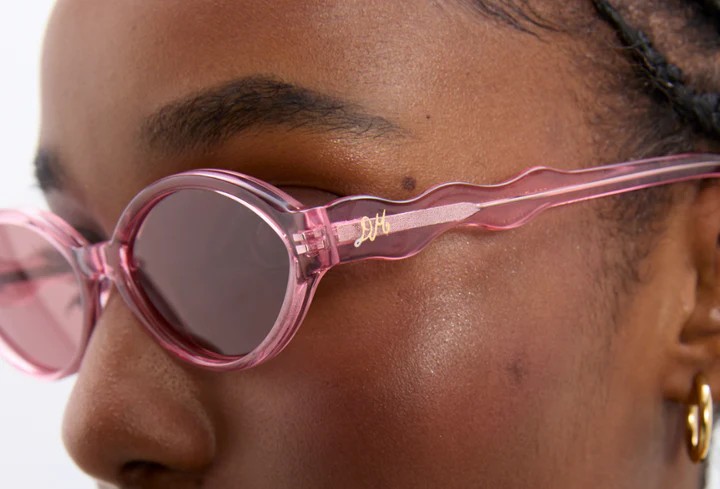
- Sunglasses: Mod sunglasses are often round or square-shaped and feature a simple design. They are often made from acetate or other high-quality materials and come in a range of colours.
Influential Figures in Mod Fashion
Over the years, the world of Mod fashion has witnessed a remarkable transformation, thanks to the creative minds of many visionaries who have played a vital role in shaping this trend. Let’s take a look at some of the most influential figures in the Mod fashion scene.
Mary Quant
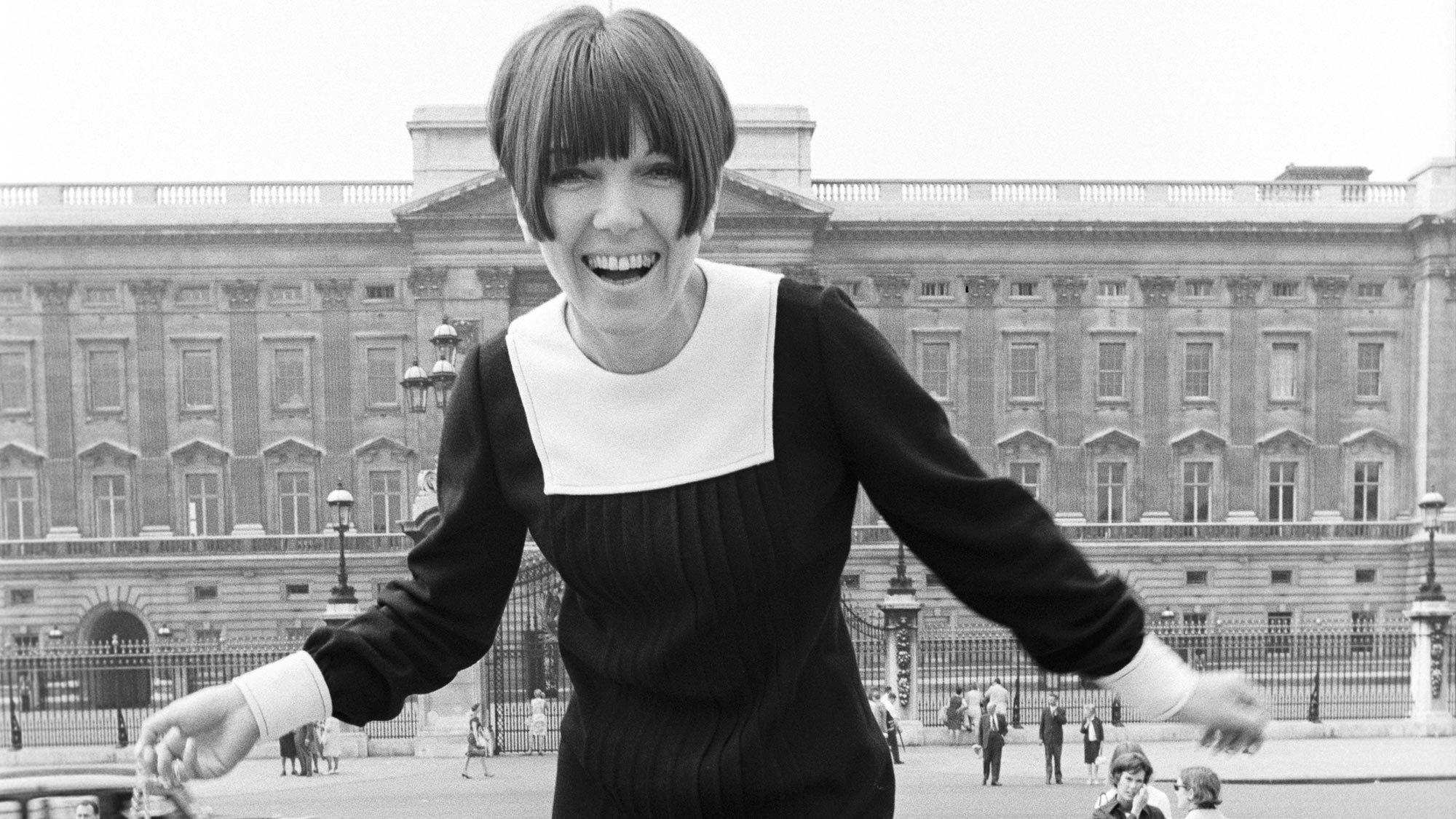
Mary Quant was a British fashion designer who was instrumental in the Mod fashion movement of the 1960s. Credited with popularising the mini skirt and hot pants, her designs embodied the youthful energy of the Mod movement with bold, colourful, and playful styles.
Twiggy
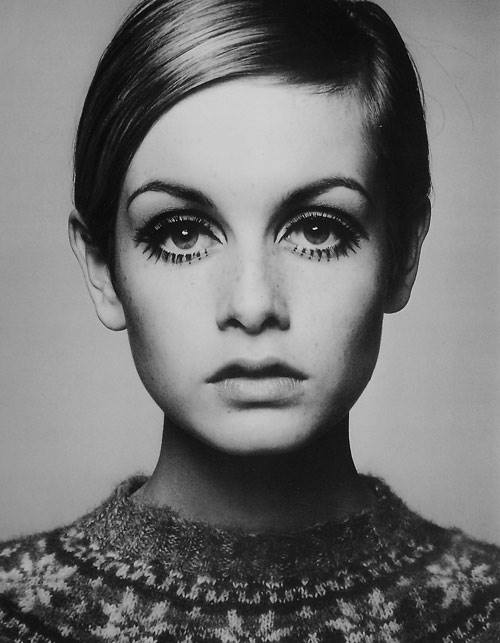
Twiggy, born Lesley Lawson, is a British model and actress who rose to fame in the 1960s. An icon of Mod fashion, her simple yet stylish looks often featured mini skirts, shift dresses, and bold patterns.
The Beatles
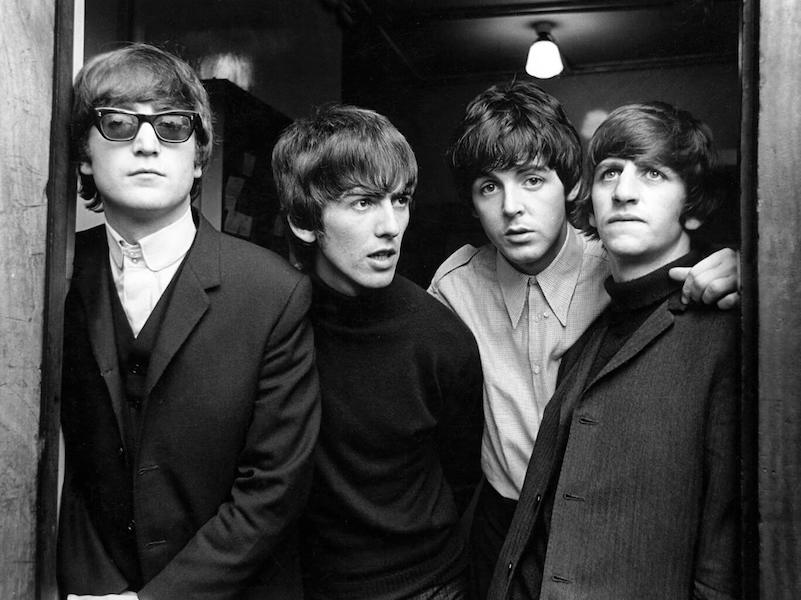
British rock band The Beatles became synonymous with the Mod movement in the 1960s. Their music and style were influential in popularising the Mod look worldwide, characterised by slim-fitting suits, Chelsea boots, and mop-top haircuts.
Paul Weller
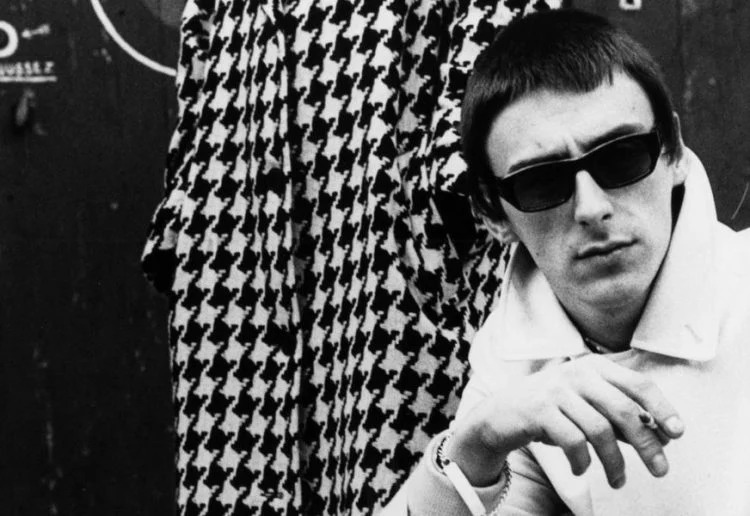
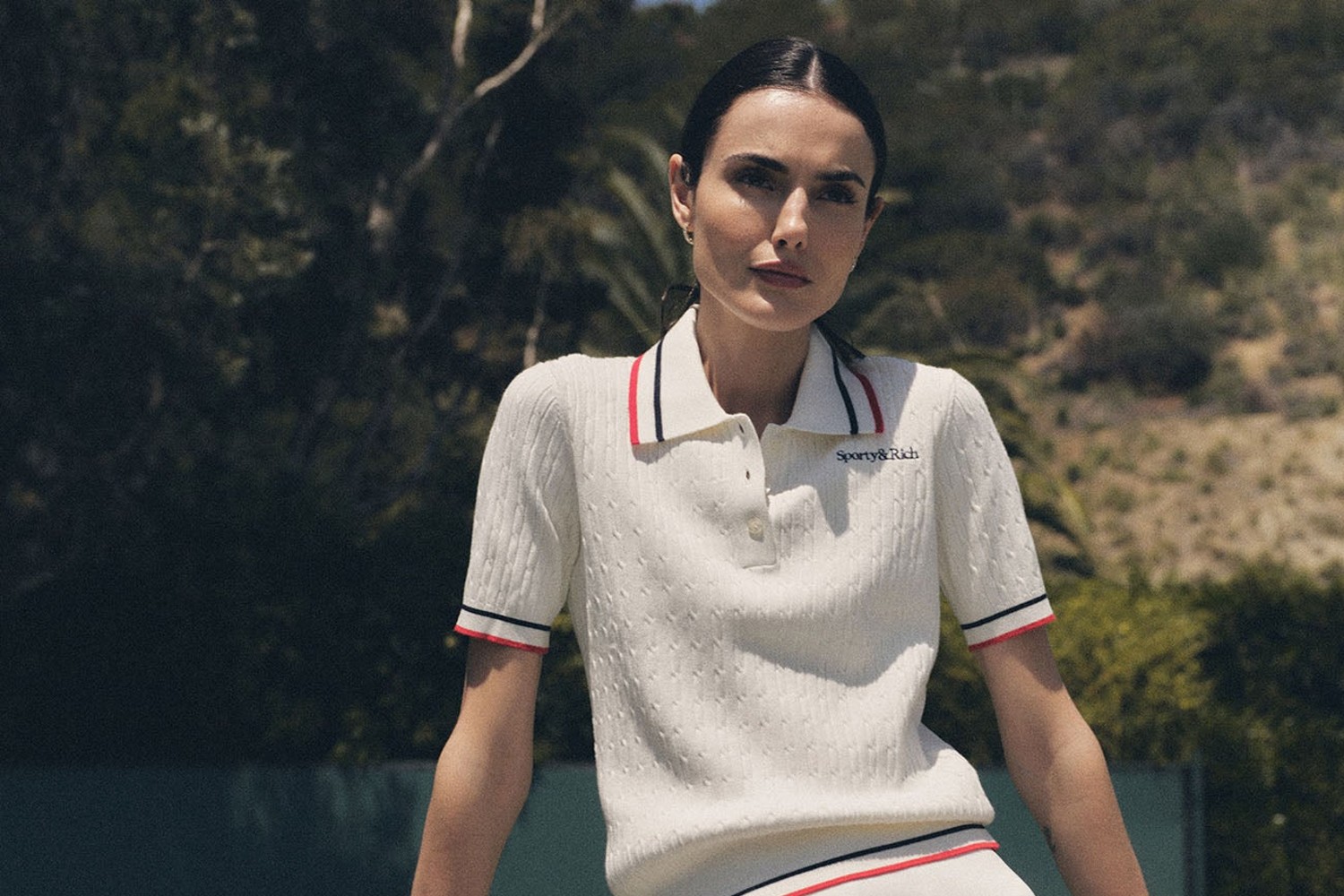
Paul Weller, a renowned British musician, was the charismatic frontman of The Jam, a highly influential Mod-inspired band in the late 70s and early 80s. His personal style, rooted in Mod fashion of the 1960s, included sleek suits, parkas, and Fred Perry polo shirts, reviving Mod fashion’s popularity in the UK.
Impact of Mod Fashion on Popular Culture
When Mod fashion emerged in the UK during the 1960s, it quickly became a significant cultural movement that influenced fashion, music, and art. Its sharp tailoring, bold patterns, and bright colours represented a new, youthful, and rebellious spirit.
Mod fashion also influenced the art world, with artists like Bridget Riley and David Hockney incorporating its bold patterns and colours into their work, making it popular among the Mod crowd.
The impact of Mod fashion on popular culture can still be seen today, with its revival inspiring designers and artists. Its timeless classics continue to be popular, representing youth, rebellion, and a desire for change.
Modern Interpretations of Mod Fashion
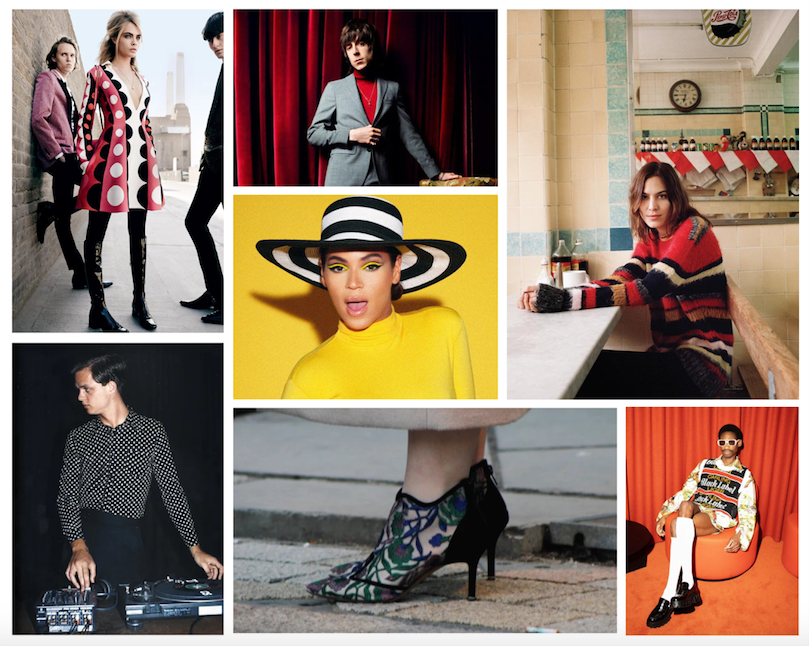
Mod fashion has seen a resurgence in recent years, with designers updating the iconic style of the 1960s for a contemporary audience. Here are some aspects of modern Mod fashion:
- Clean Lines and Simple Silhouettes: tailored suits and shift dresses made from high-quality fabrics like wool and silk, designed for a perfect fit with minimal excess fabric.
- Muted Colour Palette: While the original Mod movement embraced bold colours, modern interpretations often feature more muted shades like grey, navy, and black for a sophisticated and versatile look.
- Iconic Accessories: Designers draw inspiration from 1960s accessories, such as oversized sunglasses, pillbox hats, and chunky jewellery, adding glamour to outfits.
Overall, modern interpretations of Modernist fashion combine clean lines, muted colours, and iconic accessories for timeless and stylish looks.
Mod Fashion and Music
Mod fashion and music were closely intertwined during the 1960s in the UK. The Mod subculture’s fashion and music reflected a desire to be modern and stylish, drawing influences from American R&B, soul, and jazz.
As well as being drawn to the sounds of American R&B, soul, and jazz, Mods also enjoyed British bands like The Who, The Small Faces, and The Kinks. The fashion of the Mod subculture reflected these musical tastes as well as the sophisticated, sharp, clean lines of Italian fashion.
Mods were known for their attention to detail and love of fashion and music. Mod fashion for men typically included slim-fitting suits with narrow lapels, often in bold colours or patterns. Trousers were slim and tapered, and shoes were often Chelsea boots or loafers. Women’s Mod fashion featured A-line dresses, mini skirts, and tailored jackets, often in bold prints or bright colours.
Accessories were also an important part of Mod fashion. Men often wore narrow ties, pocket squares, and sunglasses, while women accessorised with scarves, hats, and large earrings.
Evolution of Mod Fashion
Italian and French fashion played a pivotal role in shaping early Mod fashion. The Mods wore slim-fitting suits, narrow ties, and button-down shirts. They also wore parkas, Harrington jackets, and desert boots. The look was clean, sharp, and sophisticated.
As the Mod movement evolved, so did the fashion. The Mods began to embrace bold patterns and bright colours. They wore paisley shirts, polka-dot ties, and checked trousers. The look was still sleek and stylish, but with a more playful edge.
In the late 1960s, the Mod fashion movement began to decline, but it left a lasting impact on fashion. The Mod look influenced the punk and New Wave fashion movements of the 1970s and 1980s. Today, the Mod style is still popular, with many people wearing vintage Mod clothing or modern interpretations of the style.
Overall, the evolution of Mod fashion shows how a fashion movement can start as a rebellion against the norms and evolve into a lasting influence on fashion.
Controversies and Criticisms of Mod Fashion
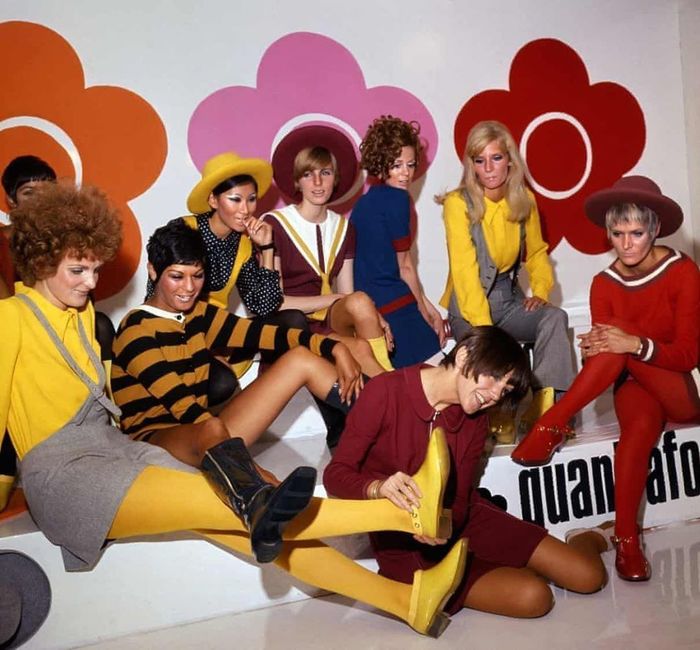
Mod fashion has always been a subject of controversy and criticism since its inception in the 1960s. While some people embraced the bold and daring styles of the Mod subculture, others saw it as a threat to traditional values and a symbol of rebellion.
One of the main criticisms of Mod fashion back in its early days was its association with drug use and promiscuity. The short skirts, tight trousers, and brightly coloured clothing were seen as a way to attract attention and push boundaries. Some critics argued that Mod fashion was a symptom of a larger social problem, as young people rejected traditional values and embraced a more hedonistic lifestyle.
Another criticism of Mod fashion was its elitism and exclusivity. The expensive designer clothing and accessories were only accessible to a select few, and the Mod scene was often associated with upper-class youth. This led to accusations of snobbery and pretentiousness, as well as resentment from working-class youth who felt excluded from the scene.
Despite these criticisms, Mod fashion continued to influence fashion and culture throughout the decades. Its bold and innovative styles inspired countless designers and musicians, and its legacy can still be seen in modern fashion today. While some may still view Mod fashion as controversial or elitist, its impact on fashion and culture cannot be denied.
Future of Mod Fashion
Mod fashion has been around for several decades and has gone through many changes over the years, and it continues to be popular among fashion enthusiasts and music lovers alike. As the fashion industry continues to evolve, it’s interesting to speculate on the future of Mod fashion.
One trend that is likely to continue in Mod fashion is the use of bold colours and patterns. Mod fashion has always been associated with bright colours and bold patterns, and this trend is likely to continue in the future. Mod fashion designers are likely to experiment with new colours and patterns while still staying true to the classic Mod aesthetic.
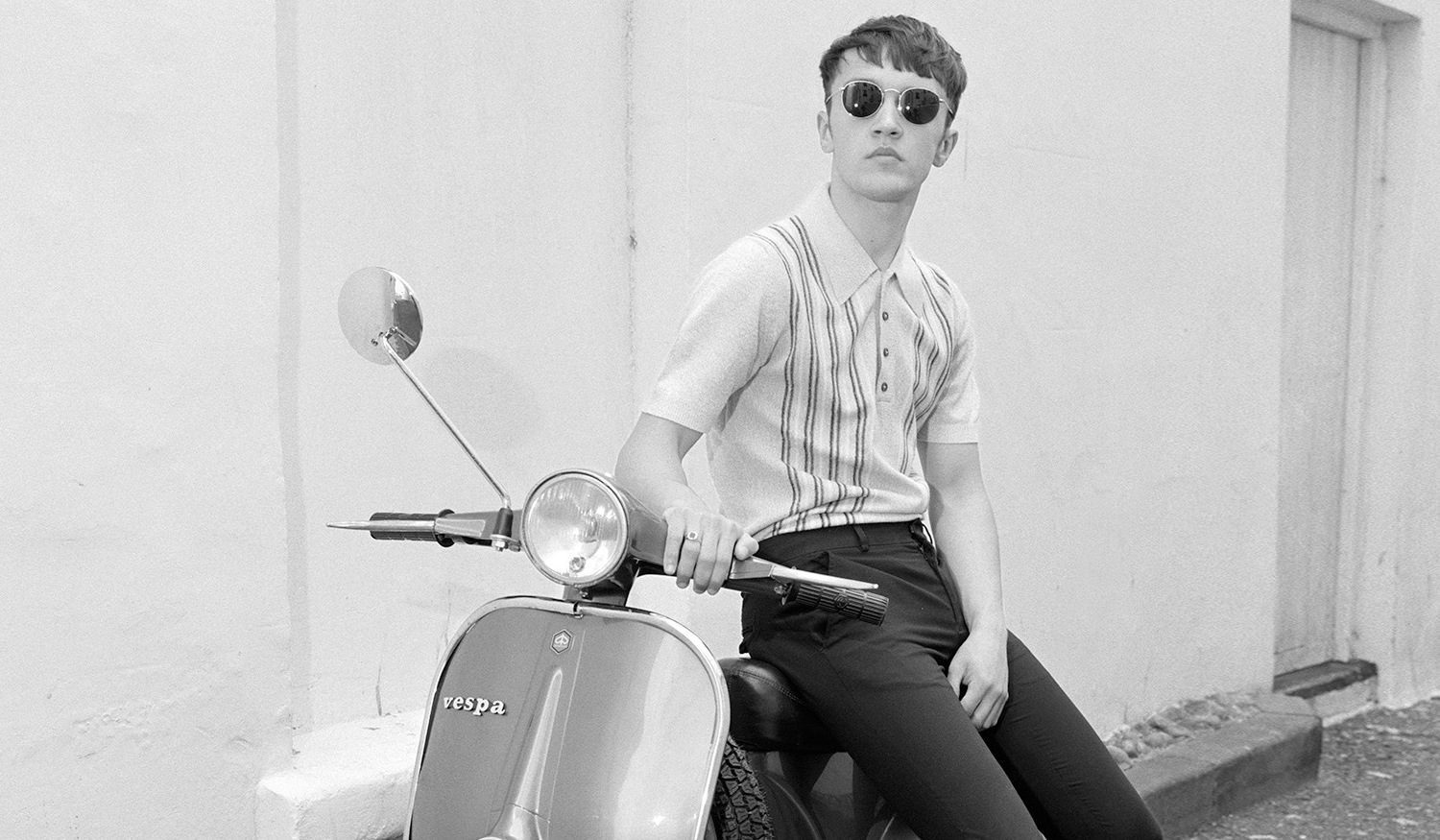
Another trend that is highly likely to continue in Mod fashion is the use of tailored clothing. Mod fashion has always been associated with sharp, tailored suits and jackets, and this trend will surely continue in the future. Mod fashion designers are likely to experiment with new fabrics and cuts while still maintaining the classic Mod silhouette.
In addition, as consumers become more conscious of the environmental impact of the fashion industry, Mod fashion designers are likely to incorporate more sustainable materials and production methods into their designs.
Ultimately, the future of Mod fashion looks bright and exciting. Mod fashion designers are likely to continue to experiment with new colours, patterns, fabrics, and cuts while still staying true to the classic Mod aesthetic. Additionally, Mod fashion is likely to become more sustainable and ethical as consumers become more conscious of the environmental impact of the fashion industry.